Airport City 2025 – the year when a vision became a business district
The year 2025 has been a landmark one for Airport City. The first buildings in the southern area have been completed, tenants have moved in, and the vision of an airport business district has become visible and tangible. We spoke with Veiko Keerberg, Chairman of the Management Board of Airport City, about the key developments, challenges and future plans of the past year.
Looking back at 2025 as a whole, how would you characterise this year for Airport City?
For Airport City, 2025 was the year when long-planned projects were brought to life. At the same time, we experienced significant changes in management, team structure, portfolio size and our client base. For a fast-growing company, a higher-than-usual level of intensity is inevitable, but considering the size of our team, all of this had to be managed simultaneously and on the go. I am genuinely pleased that we have handled this period successfully.
Which projects were the most important and impactful for Airport City in 2025?
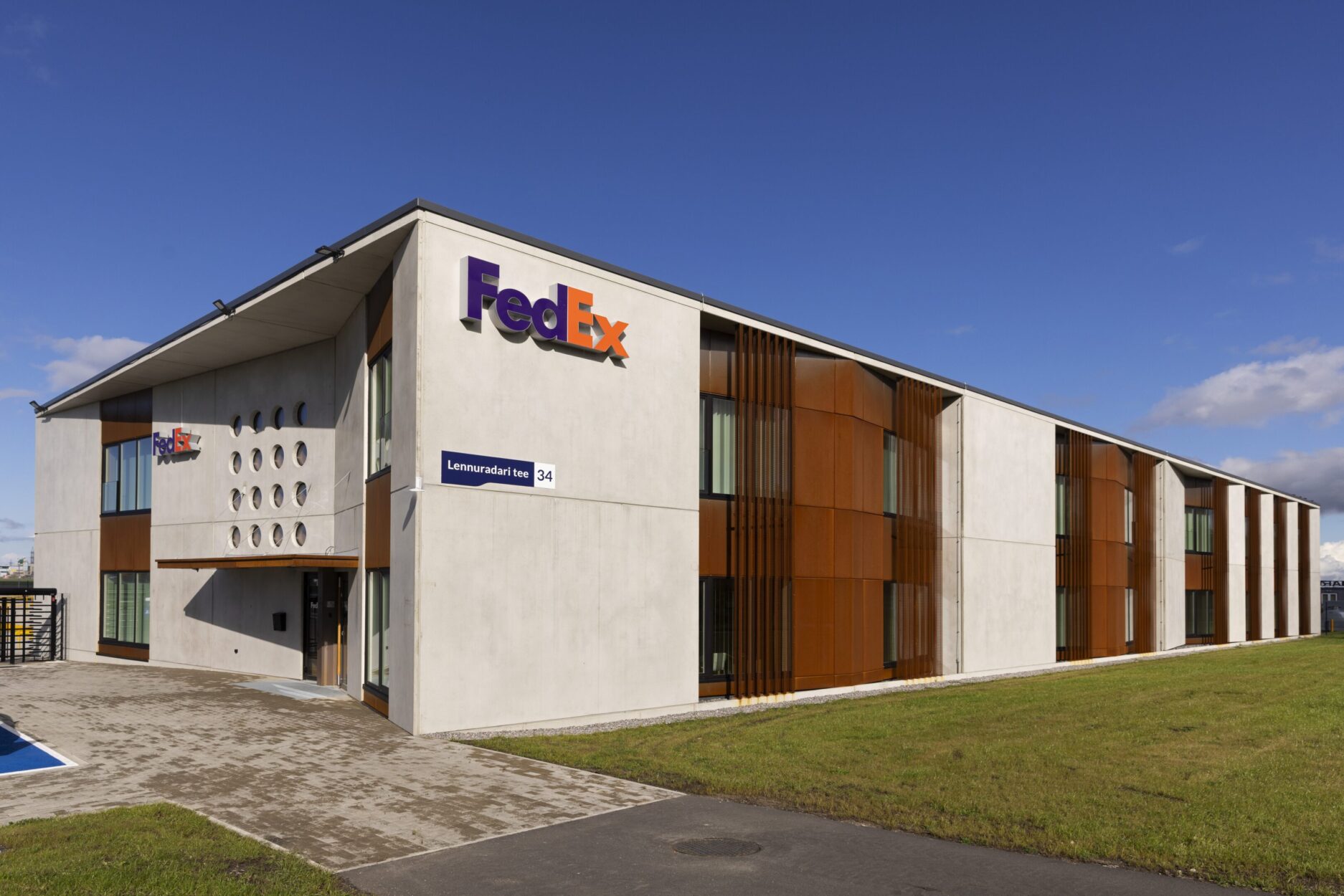
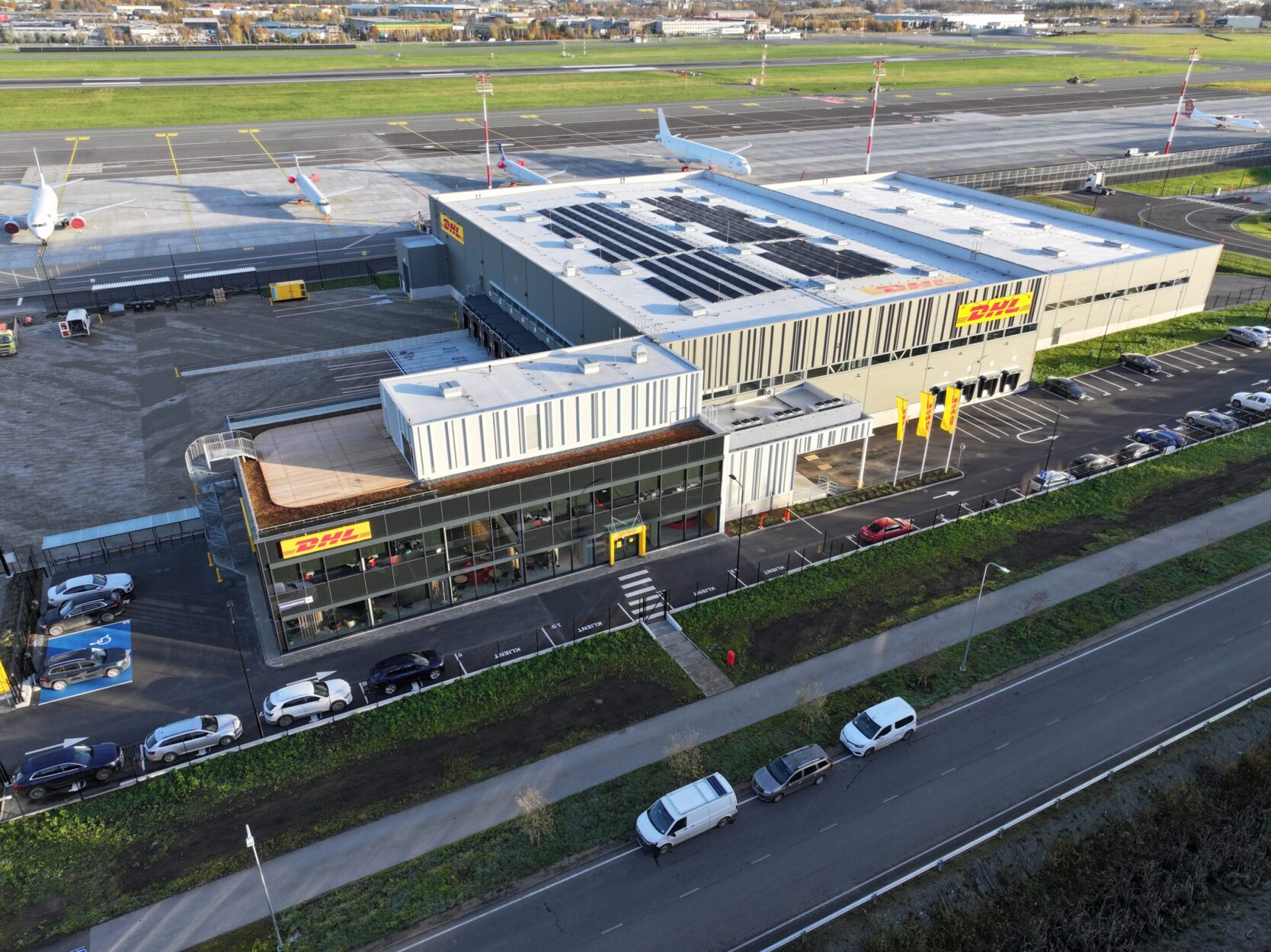
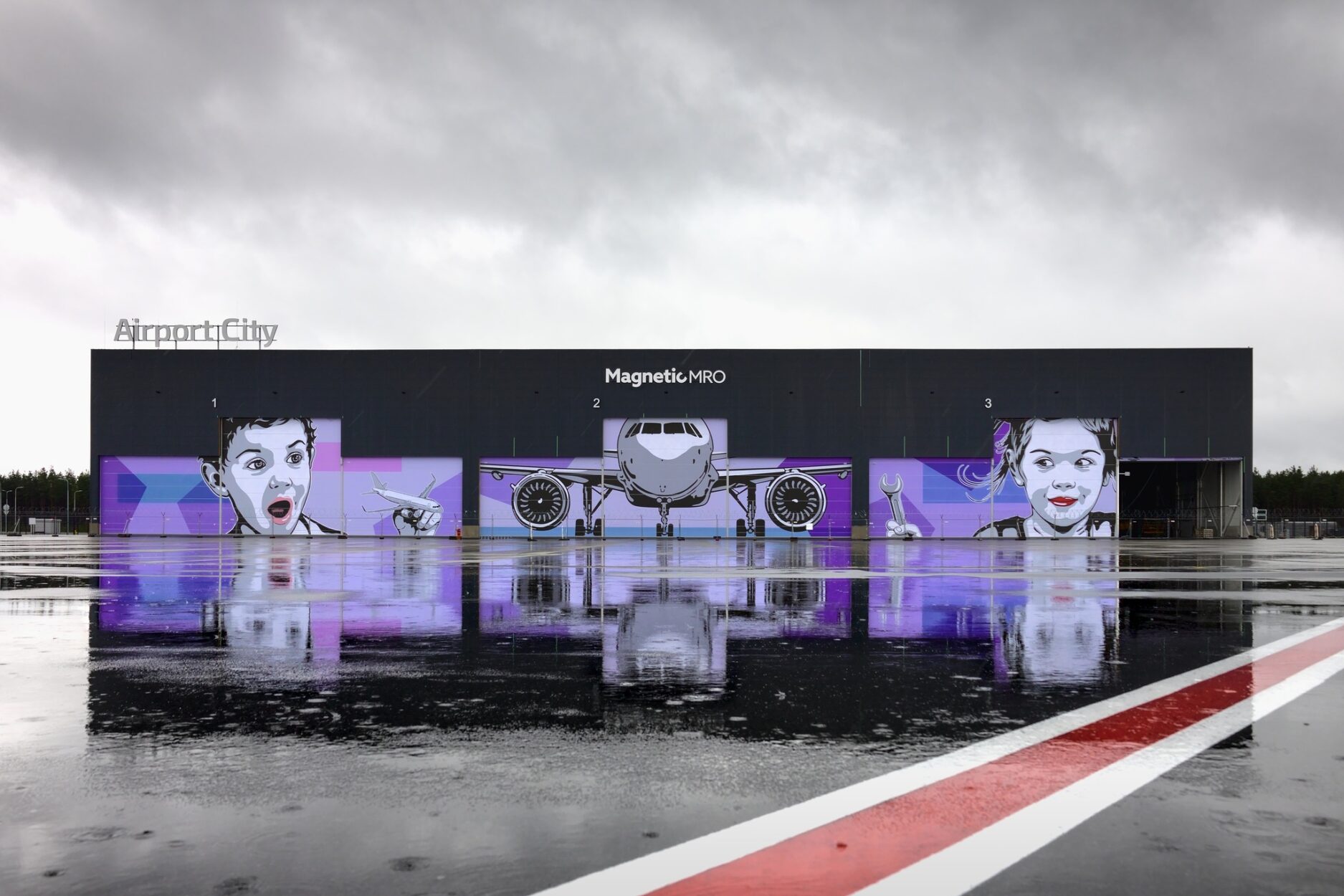
Without a doubt, the main focus was on the three key projects in the southern area: the DHL Express Estonia air freight terminal, the FedEx Express Estonia air freight terminal, and the Magnetic MRO aircraft maintenance hangar complex. These developments were strategically crucial for Airport City, as they shaped the southern area into a functioning aviation and logistics hub.
At the same time, continuous work was carried out within the existing portfolio. In terms of square metres, this portfolio is roughly twice the size of the three new developments combined and generates monthly rental income for Airport City. Supporting existing tenants and ensuring the smooth operation of their activities is therefore at least as important for us as developing new buildings.
The first buildings in Airport City’s southern area are now complete. What does this moment mean to you – both as a leader and as the driving force behind the development?
The completion of the first buildings in the southern area is very meaningful to me, as it is the result of long and thorough planning. These developments required substantial investments even before building design could begin – airport infrastructure, utility networks and the location itself demanded it. From an aerial view, the area next to the airport may seem compact, but together with the apron construction, it was at one point reportedly the largest construction site in Estonia.
Now that 22,000 m² of modern commercial space has been completed and integrated with airport infrastructure, the feeling is very clear: the vision has truly become visible. This is the greatest appeal of real estate development – seeing an idea that has been prepared for years become reality. The completion of the first buildings confirms that the Airport City model works, from decision-making processes and construction tenders to complex stakeholder coordination and financing solutions.
How have the southern area developments influenced Airport City’s position in the eyes of international partners and investors?
Significantly. Our build-to-rent model, where buildings are developed based on the specific needs of tenants, is well understood and trusted by international partners. The DHL and FedEx projects have received positive attention within both global groups – not only because of the end result, but also due to the smooth development process.
In addition, the Magnetic MRO hangars have sparked interest among other aviation companies, demonstrating our ability to deliver technically complex solutions on airport territory quickly and to a high standard.
Every development comes with challenges. What were the biggest ones for Airport City in 2025?
The biggest challenge was undoubtedly the simultaneous delivery of three very different projects. Each had its own technical specifics, tenant requirements and construction partners, meaning we had to manage three distinct development processes in parallel. A common denominator was the extensive infrastructure and utility works required for all projects, which are always challenging in their own right.
Each project progressed at its own pace and with its own nuances, making coordination particularly intensive. In the end, everything was resolved successfully, but it was certainly a period that provided valuable experience and confirmed our ability to manage complex developments in parallel.
Was there a moment or decision that required especially fast adaptation or bold choices?
Interestingly, the most challenging moments were not related to construction itself, but to obtaining occupancy permits for the completed buildings. Each project brought its own unexpected situations that required quick adaptation. Although the process appears standardised, in practice each building presented something entirely new.
In such situations, we had to rely on both creative thinking and a good deal of patience, especially when solutions were not straightforward and involved balancing the expectations and requirements of multiple parties.
What are you most proud of in the context of 2025?
That we were able to complete the projects in parallel, stay within budget and enable tenants to start operations on schedule. Even more importantly, we achieved our EBITDA target while major developments were underway. This is not the result of one individual, but of a strong and dedicated team.
Was there an achievement that surprised even you – in terms of its scale or impact?
Although I visit the southern area frequently, every visit reinforces the feeling that we have created something truly significant. Seeing the new terminals and hangars alongside the access gate, ground handling base, expanded apron, and the movement of people and vehicles really brings home how much effort and energy has gone into this development.
I encourage everyone to visit the southern area in person – only then does the true scale of the development and its future potential become fully apparent. The environment has been carefully planned and provides a strong foundation for future projects.
What could have gone better?
We could have built more, faster and at a lower cost 😊. That is, of course, said partly in jest, but in every project there are always things that could be improved in hindsight. At the same time, it is important to appreciate what has already been achieved.
Looking back, is there anything you would do differently today?
The facilities management team should have been involved much earlier. While completing the buildings is an important milestone, the real work begins afterwards – maintaining and developing the environment in line with lease agreements and tenant expectations. That is why it is essential for facilities management to be involved already during the design and construction phases.
What key lessons from 2025 will you carry forward into future developments?
All completed buildings include technology solutions that are directly linked to tenants’ operations. For cargo terminals, these include sorting systems; for hangars, tail docks and other specialised systems. Planning and integrating such solutions into buildings requires time, and this needs to be factored in even more carefully in future projects.
Airport City developments are created in close cooperation with partners. How important has this collaboration been?
Collaboration has been fundamental. We started the construction of the cargo terminals with only concept designs and tenant technical specifications in place, meaning that design work had to be carried out alongside an already tight construction schedule.
Weekly on-site meetings, countless emails, changes and approvals are simply part of projects like these. We succeeded in finding strong construction partners, and all end users were actively involved in the process. On the airport side, infrastructure project managers played a key role, and together we were able to make all projects work.
What do you value most about the Airport City team?
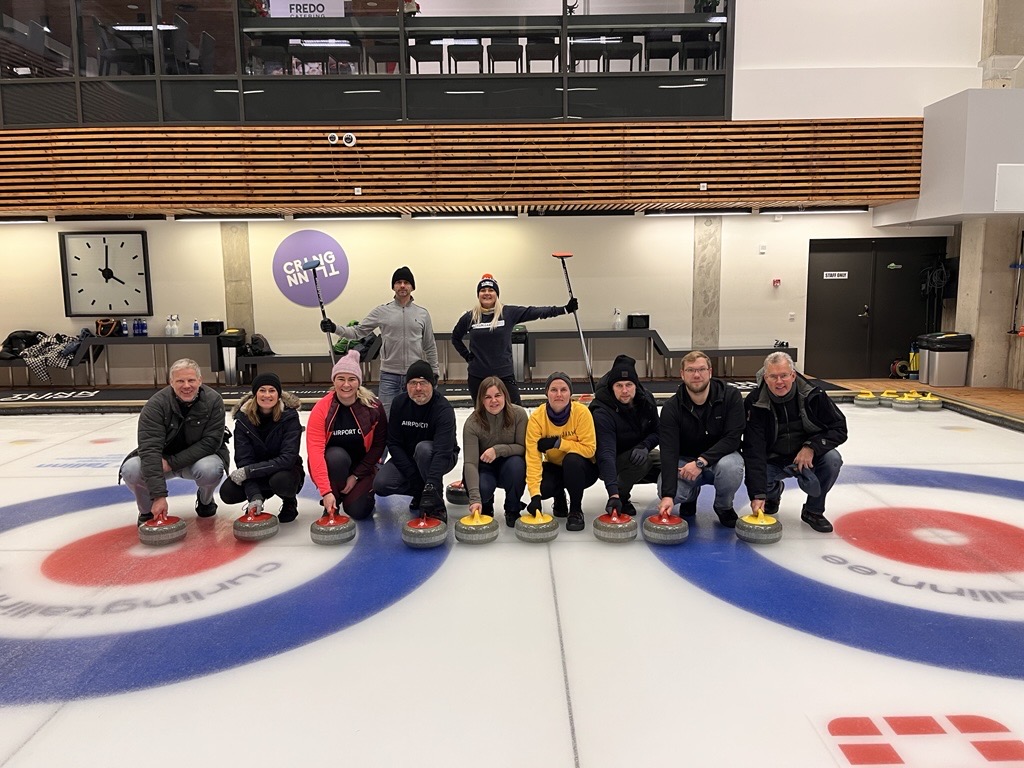
The team’s commitment and ability to perform during high-intensity periods. Our core team is small, which makes each person’s contribution crucial. At the same time, we are supported by colleagues at Tallinn Airport through various support services, meaning our “virtual” team is actually much larger. Major projects, shared effort and success bring people together and create a strong sense of belonging to the Airport City team.
What are Airport City’s main focus areas and goals for the coming years?
Our primary objective is strong growth in rental income. To achieve this, we must continue developing new projects while also renovating existing buildings to increase their value and attractiveness. Securing new tenants is critical for future developments, which is why sales activities are firmly in focus. The market is challenging, but consistency and the ability to match the right tenants with the right spaces are key success factors.
What role do you see Airport City playing in the development of Tallinn Airport and the wider region over the next five years?
Airport City plays an important role in supporting the competitiveness of Tallinn Airport. We create an environment that brings together logistics, aviation and business services, attracting investments and jobs while generating synergy between the airport, infrastructure and the business environment. At the same time, we aim to increase the visibility of the Airport City brand both locally and internationally.
What message would you like to share with companies considering Airport City as their next location?
Airport City offers a unique combination of immediate proximity to the airport, modern infrastructure and flexible solutions. If you are looking for a business environment that supports international growth, logistical efficiency and sustainability, Airport City is the right choice. Our build-to-rent model ensures that developments are tailored precisely to your needs.
You have now led Airport City for one year. What motivates you most personally in your work?
What motivates me most is the opportunity to create something lasting and meaningful. Seeing the tangible results of my work taking shape and functioning in real life gives me a great deal of energy. And, of course, the people – both the team and our partners – with whom we do all of this together.
